
Differences between an oenologist and a sommelier.
- Wine News
- 28 October 2026
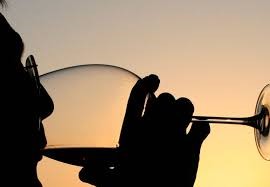
These terms encompass a wealth of knowledge within the world of wine; however, if you were to ask the average person on the street, many would not be able to explain the differences between the two.
The fact is, both roles are fundamental to the wine industry.
Differences between an oenologist and a sommelier
Although both professions are related to the world of wine, there are significant differences between them.
The Oenologist
The oenologist is responsible for the entire winemaking process—from the moment the grapes arrive until the final product is bottled.
They are the artist who plans and executes the creation of the work known as wine.
An oenologist typically works in wine production, in direct contact with the winery and the people who cultivate the grapes.
They oversee the grapes throughout every stage of production, determine the timing of the harvest, and supervise all phases of winemaking within the winery to ensure the best possible results.
They also perform complementary work in the laboratory, analyzing the characteristics of the wines produced.
The Sommelier
The sommelier works for the end consumer—for instance, a restaurant patron. In other words, their role begins once the wine has already been bottled.
Typically, a sommelier curates the wine list for a hotel or restaurant, handles wine procurement, and manages storage and its conditions. Furthermore, they advise customers on which wines to enjoy based on the food they have ordered.
What many people do not realize is that a sommelier’s expertise extends beyond wine; they also make decisions regarding the beers, spirits, and cigars offered to customers.
At wineries, the sommelier is often responsible for communications. This person is responsible for promoting wine, as well as for organizing tastings, demonstrations, events, and courses centered around specific wines.
Additional Knowledge
Nowadays, both roles require a range of knowledge and training that extends beyond the core requirements of the profession. Let’s look at some of these, which are becoming increasingly important.
For the Sommelier
A sommelier is typically expected to be proficient in one or two languages in addition to their native tongue. They must also be familiar with the geographical regions and climates where wine is produced and vineyards are located.
Furthermore, a sommelier must stay up-to-date with all new releases in the wine world, and should taste as many wines as possible by attending as many tasting events as they can.
For the Oenologist
An oenologist must have a strong command of viticulture—the methods and techniques used to cultivate grapevines. They must also be familiar with the research techniques employed within the wine sector.
Generally, they possess a background in biology or chemistry, as these fields are integral to their work.
It is also essential that they have a comprehensive understanding of the current wine-related legislation in the region or area where they practice.
Other Roles
Another common figure in the world of wine is the taster (*catador*).
As the name suggests, this is someone who performs the act of tasting wine.
Typically, this person evaluates the quality and characteristics of a wine once it has been bottled.
To do this, they analyze the wine’s color, aroma, and taste, drawing upon their own personal expertise.
They carry out the three phases of tasting:
Sight: the color and nuances of the wine.
Nose: the aromas released by the wine.
Palate: the sensations the wine leaves in the mouth.
Conclusions
To conclude, we can summarize the role of each professional:
Winemaker (Enologist): Responsible for overseeing wine production at the winery.
Sommelier: An expert in the world of wine from the perspective of the customer and service.
Wine Taster: Analyzes the characteristics of bottled wine.
Article developed by iberoWine