
Why do doctors recommend drinking red wine?
- Wine News
- 03 November 2026
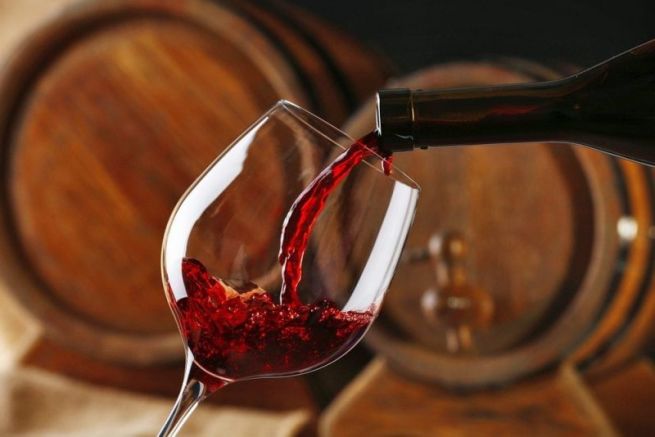
Did you know that, among other benefits, red wine may help prevent hearing problems?
Thanks to resveratrol, it also helps delay cognitive decline, as well as heart-related issues.
New studies emerge daily, highlighting the many benefits that red wine offers our bodies. Its advantages include helping to prevent heart conditions, mental health issues, high cholesterol, and intestinal cancer.
The list of favorable properties continues to grow. Recent research suggests that, beyond being a delight for the palate, red wine may help prevent hearing loss.
What makes this wine so beneficial?
Red wine contains a substance—found in red grapes—called resveratrol, which appears to help slow down inflammatory processes in the body. In doing so, it may delay significant issues such as hearing loss, general aging, and even cognitive decline. According to experts in the field, red wine is not only good for the heart but may also help prevent deafness.
Certain foods, including wine and green tea, are rich in antioxidants. Most notably, research conducted at the University of Leeds in England concludes that these antioxidants can delay signs of aging and assist in the fight against serious conditions like Alzheimer’s disease.
Some of its many benefits:
1- It helps prevent cancer. According to research from the University of South Carolina, the flavonoids found in wine—when consumed regularly—can reduce the likelihood of prostate cancer progressing to its most severe form by 25%. 2- It promotes the assimilation of proteins; for this reason, it is highly recommended to have a glass of wine with cheese and various types of meat.
3- It increases "good" cholesterol. Its antioxidant properties prevent the oxidation of "bad" cholesterol.
4- It helps with varicose veins.
5- It slows down aging and contributes to better skin health.
6- It supports vision. Studies from the University of Washington confirm that the antioxidants it contains reduce the development of blood vessels that often lead to eye conditions, such as diabetic retinopathy, among others.
7- It reduces the likelihood of developing hemorrhoids.
8- It helps prevent urinary tract infections.
Types of Red Wine
Not all red wines are the same. Depending on their aging process, red wines can be categorized as follows:
Young red wine : Bottled immediately after the fermentation process is complete. These wines retain all their properties for the first two years after bottling, so they should be consumed within that period.
Young crianza: Typically, the fermentation process takes place in stainless steel tanks, after which the wine may undergo further aging in barrels, depending on the specific type being produced.
The term "barrel-aged wine" indicates that the wine has fermented in an oak barrel from the very beginning and continues its aging process in barrels as well.
Aging red wine: These wines spend one year in oak barrels, followed by two years in the bottle. It is released for sale in the third year.
Reserve red wine: it undergoes a three-year aging process, including one year in a barrel. The total aging period is typically 24 months.
Gran Reserve red wine: it is released for sale after a five-year maturation period, at least two (2) of which must be spent in oak barrels.
Conclusions
Red wine can be beneficial to your health, but it should always be consumed in moderation.
At Iberowine, you can browse our selection of red wines, with options to suit various price points, regions, wine styles, and grape varieties.
Discover your personal preferences in red wine.
Article developed by Iberowine