
Tempranillo: Spain’s Most Iconic Grape
- Wine News
- 09 November 2026
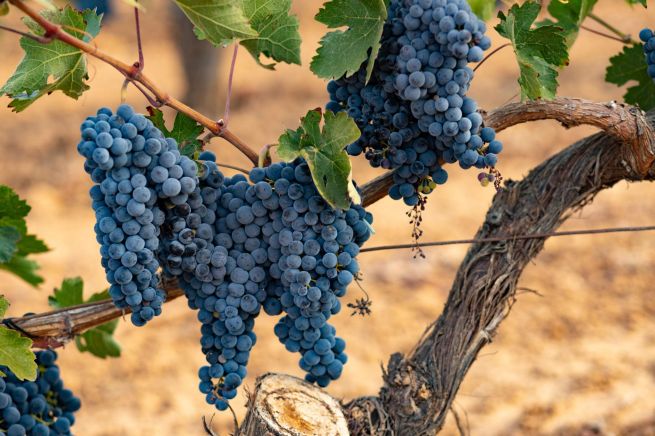
The Tempranillo grape is the most widespread and iconic red variety in Spain, owing to a combination of historical and climatic factors, as well as its versatility in winemaking.
Its name is derived from the Spanish word *temprano* ("early"), reflecting its short vegetative cycle. It ripens sooner than other Spanish red varieties, such as Garnacha, which allows it to adapt exceptionally well to regions with distinct summer and winter seasons.
Origin of the Tempranillo Grape
It is the result of a cross between the white variety Albillo Mayor and the red variety Benedicto.
Native to northern Spain—with documented roots in La Rioja—it is the most widely cultivated red grape in the country. It serves as the foundation for dozens of *Denominaciones de Origen* (Designations of Origin), most notably in La Rioja and Ribera del Duero (where it is also known as *Tinta del País*).
Balance and Aging Potential
It produces wines with a balanced body, tannins ranging from soft to firm, and a prominent red-fruit character (cherry, strawberry). These wines evolve remarkably well when aged in oak barrels, developing notes of vanilla, leather, and spice.
Characteristics of the Tempranillo Grape
Clusters and berry size: The clusters are compact, and the grapes have thick skins.
Color and structure: A bluish-black color.
Acidity and tannin content: Moderate acidity and soft tannins.
Characteristic aromas: Notes of red fruit, with distinct hints of strawberry and cherry.
Adaptation to climate and terrain: Due to its short cycle and early ripening, this grape adapts well to continental Mediterranean climates and high-altitude regions.
Key Spanish Regions for Tempranillo Cultivation
Rioja: One of the primary benchmarks for this grape. It produces elegant, balanced wines with excellent aging potential.
Ribera del Duero: These wines possess personality, intensity, structure, and a strong fruit presence.
Toro: In this Denominación de Origen (designation of origin), the grape is known as "Tinta de Toro." Its wines are powerful and expressive.
Castilla-La Mancha: A region with a very large production, offering Tempranillo wines in a variety of styles and price points.
What does a Tempranillo wine taste like?
1. Red fruits: cherry, strawberry, and raspberry.
2. Black fruits: plum and blackberry.
3. Notes of vanilla, spices, and toasted oak (from barrel aging).
What foods pair well with the Tempranillo grape?
1. Red meats and roasts.
2. Lamb and suckling pig.
3. Ibérico ham and cured meats (charcuterie).
4. Cured and semi-cured cheeses.
5. Rice dishes and traditional cuisine.
Young (joven), Crianza, or Reserva Tempranillo: which one should you choose?
Wine Type Characteristics
Joven (Young) Fruity, fresh, and easy to drink
Crianza A balance between fruit and oak
Reserva Greater complexity and development
Gran Reserva Elegance, maturity, and extended aging
Discover Tempranillo wines at Iberowine
At Iberowine, you will find a wide selection of wines made from the Tempranillo grape, sourced from various *Denominaciones de Origen* (designations of origin). We suggest these wines from each region to help you get to know the Tempranillo grape better:
Rioja:
Azpilicueta Origen: A very vibrant, highly attractive cherry-red color. It builds anticipation for what you will experience when you smell the wine or taste it. The nose is delightfully fruity—fruit is the first thing you’ll notice: cherry, plum, blackberry, blueberry, and a subtle hint of strawberry. Upon closer inspection, you’ll discover floral notes and a touch of licorice. Spices imparted by the wood during the aging process emerge subsequently: clove, pepper, nutmeg, a touch of vanilla, a hint of cocoa... The aging is handled with subtlety and elegance, serving as just one component of the wine rather than dominating it. On the palate, it is delightful, fragrant, smooth, and exceptionally long-lasting. The wine leaves a lingering impression of fruit and spice, sparking a desire to taste it once again.
Ramon Bilbao Crianza: Appearance: Ruby red with subtle youthful hints, manifesting as violet tones. On the palate, it is approachable and smooth, with medium body. It features moderate acidity and tannins that are never excessive. The retronasal aroma is fruity.
Barón de Ley Reserva: Ruby red in color. On the nose, it is striking for its powerful fruity character, seamlessly integrated with nuances from its refined aging—traces of coconut, toffee, and evocative hints of wild scrubland (maquis). On the palate, the initial impact is robust, building a sense of volume and a rich, unctuous texture that leads into a long finish. The aftertaste brings back notes of red fruit, combined with hints of wild scrubland.
Ribera del Duero:
Protos 9 Months Organic (Ecológico): Ruby red with purple hues. Delicate aromas of black fruit are well-integrated with the toasted notes from the wood and a touch of sweet spice. It is well-structured on the palate—a flavorful, balanced wine with pleasant, soft tannins and a very long, fruity finish accented by toasted notes.
Senda de los Olivos Crianza: Intense. A ripe cherry color with a violet rim. On the nose, lively notes of red and black fruits combine perfectly with hints of vanilla. On the palate, it is silky, smooth, and balanced, with a long, persistent finish.
Sembro: A wine with a fruit-forward character, designed to express the primary traits of the Tempranillo variety as grown on our estate. It is enhanced by a brief period of oak aging, typically lasting around 4 months. It is a fruity, luscious, and juicy wine, yet remains fresh; its sweet, ripe tannins make it highly pleasant and enveloping, with no harsh tannic edge.
Castilla-La Mancha:
El Vínculo crianza: A medium-intensity cherry-red color, clean and brilliant. The nose reveals fruity aromas accented by spice and vanilla notes. On the palate, it is complex, intense, and balanced, with good acidity—powerful, flavorful, and full-bodied.
Conclusion
The Tempranillo grape is a highly versatile variety that enjoys great popularity worldwide.
Article developed by iberoWine